How a Shorter Onboarding Increased Subscription Conversion by 50%
A growth case study by Alice Muir Kocourková using RevenueCat and Posthog.
TL;DR
Everlove, a subscription app for couples, was losing new users in a long onboarding flow. After a full growth audit, I designed an A/B test replacing it with a radically shorter onboarding. The result: a +50% increase in trial and purchase conversion (statistically significant, measured in PostHog and RevenueCat), a +10% relative lift in onboarding completion, and a doubling of monthly-plan purchases — revealing a new segment of fast-converting buyers.
The Challenge: Onboarding Friction Was Suppressing Trial Conversion
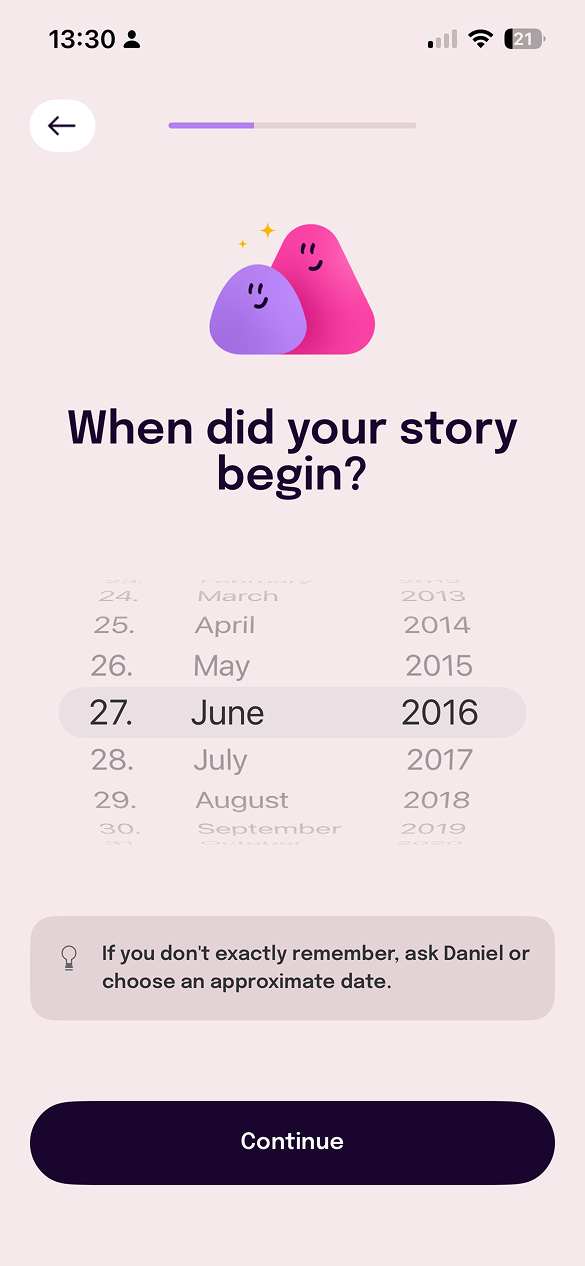
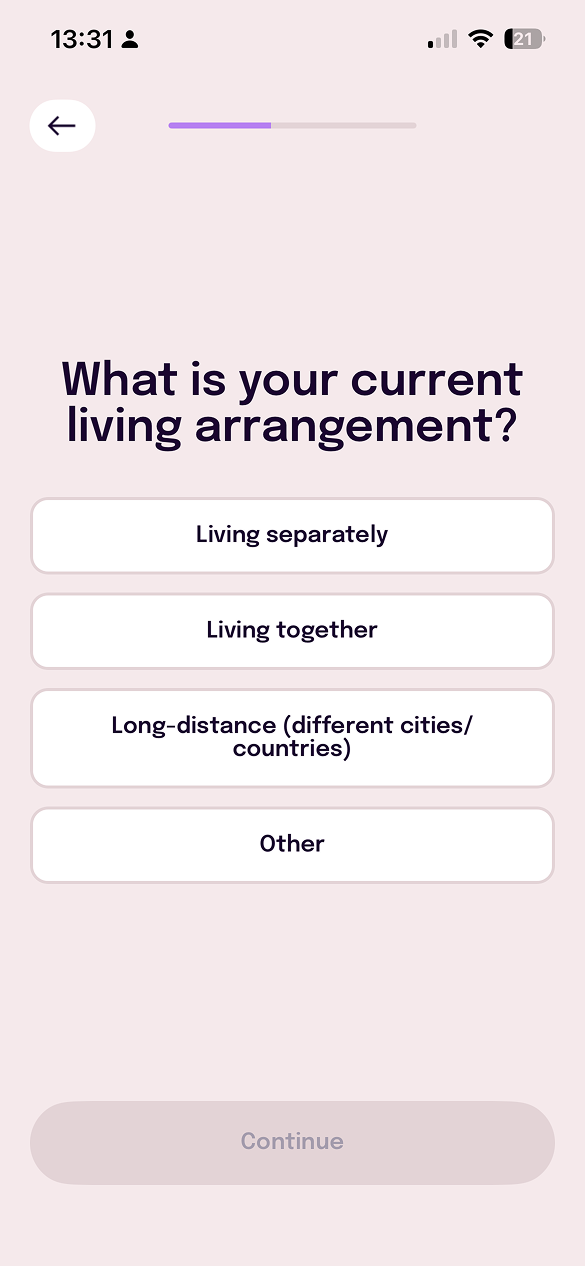
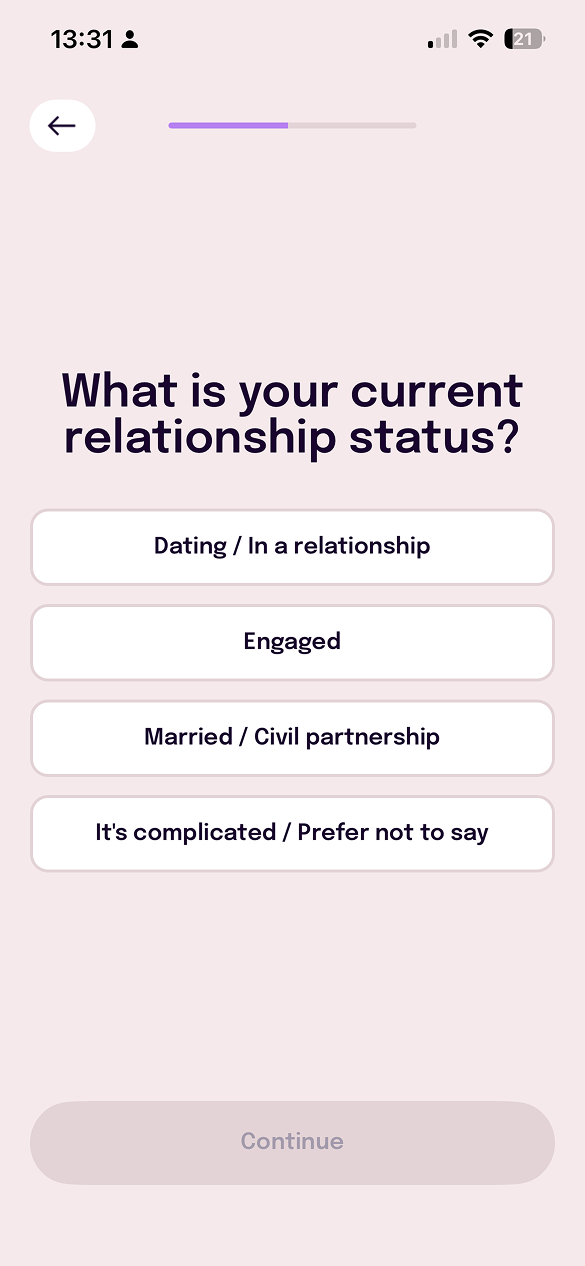
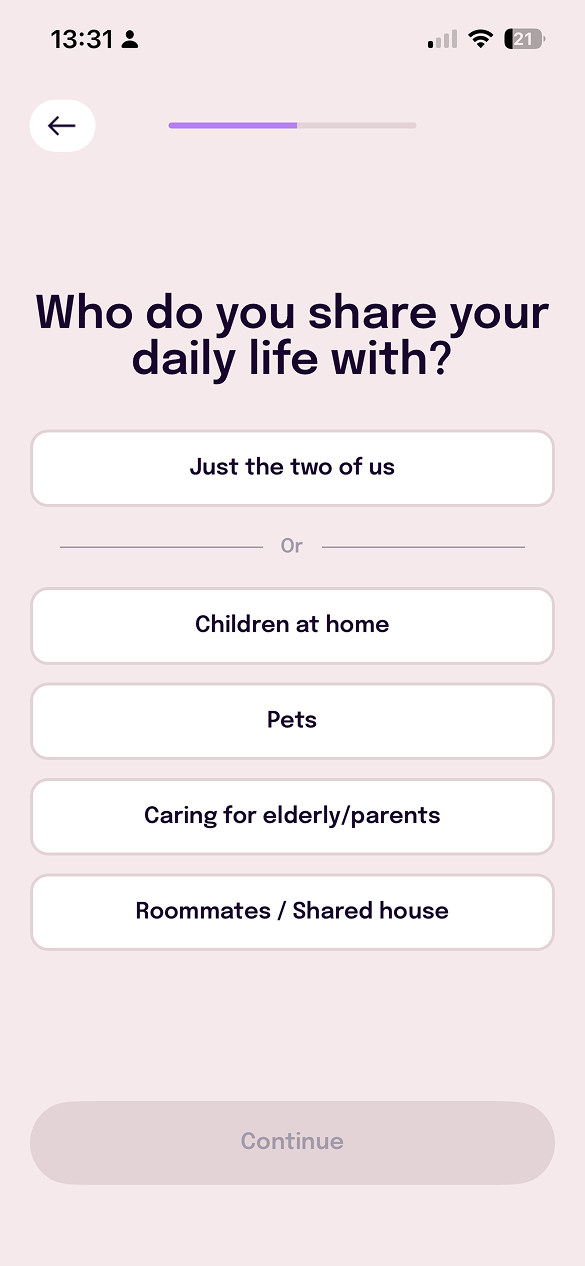
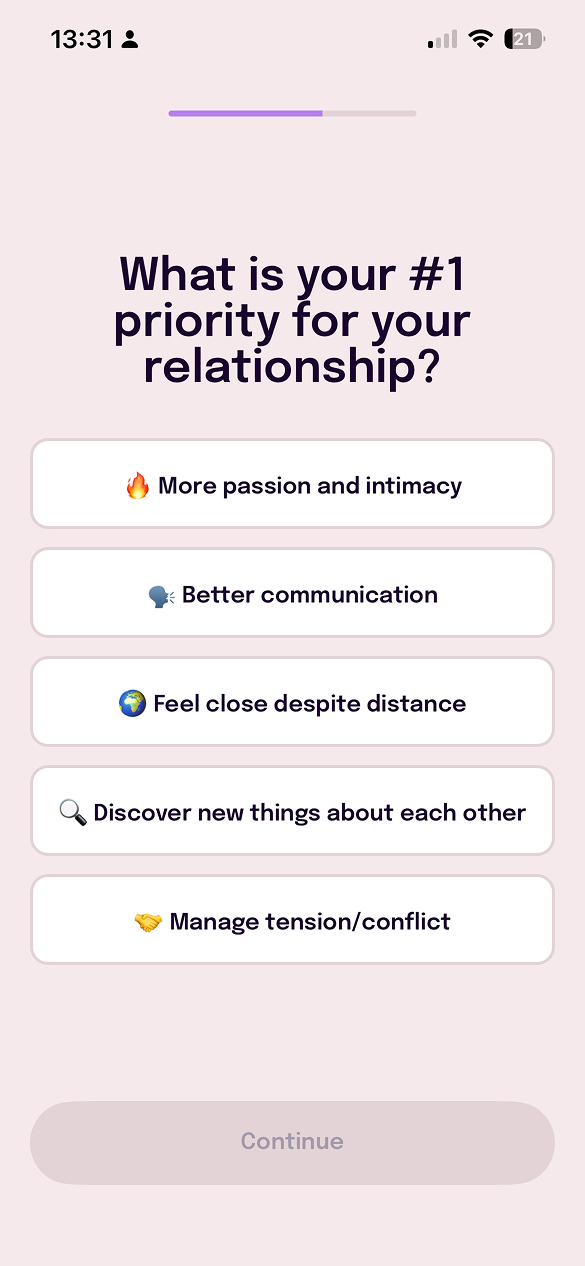
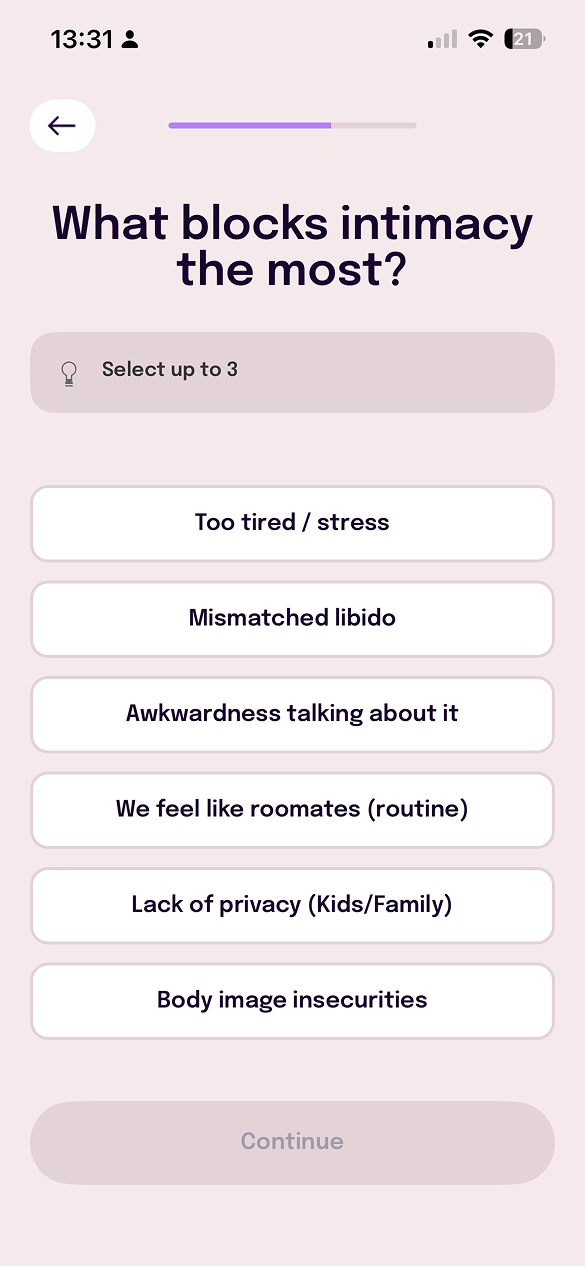
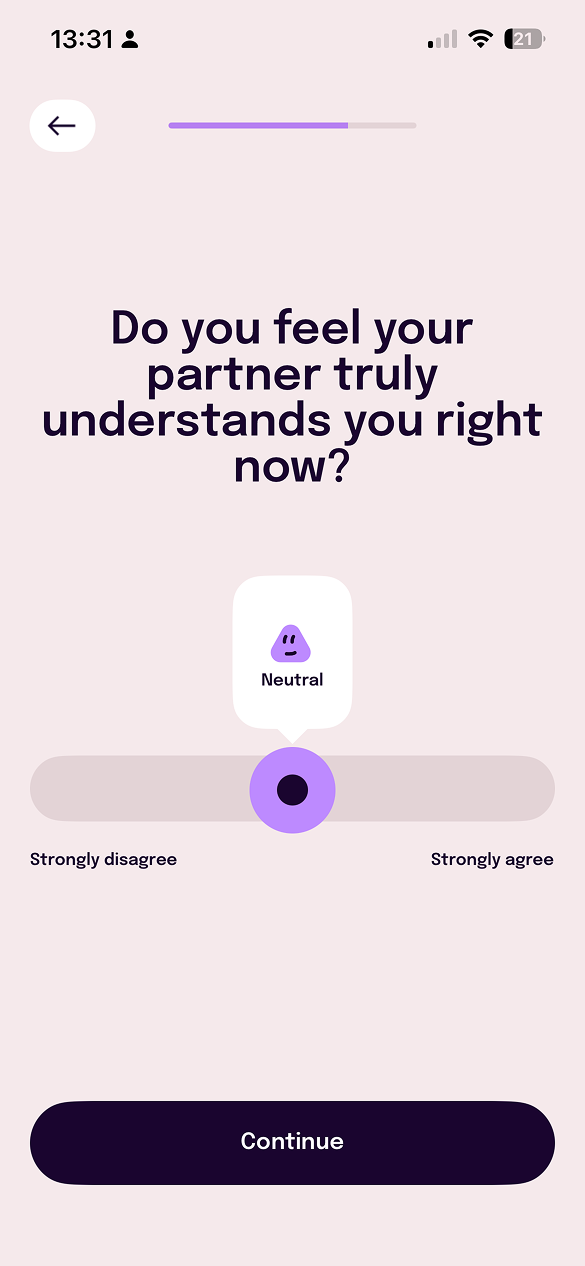
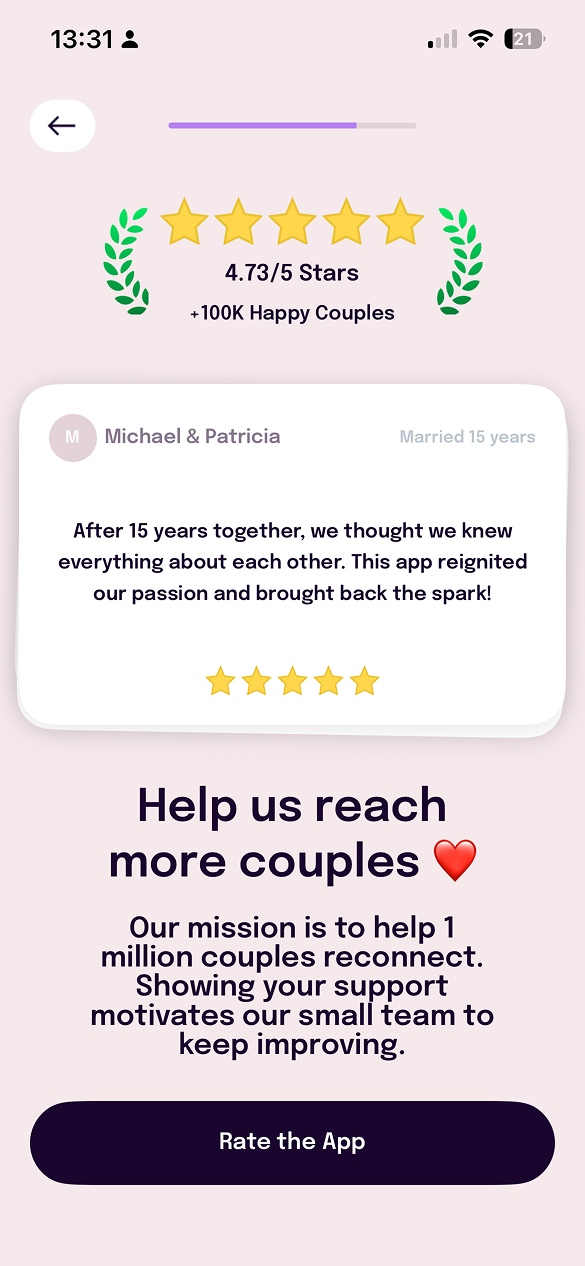
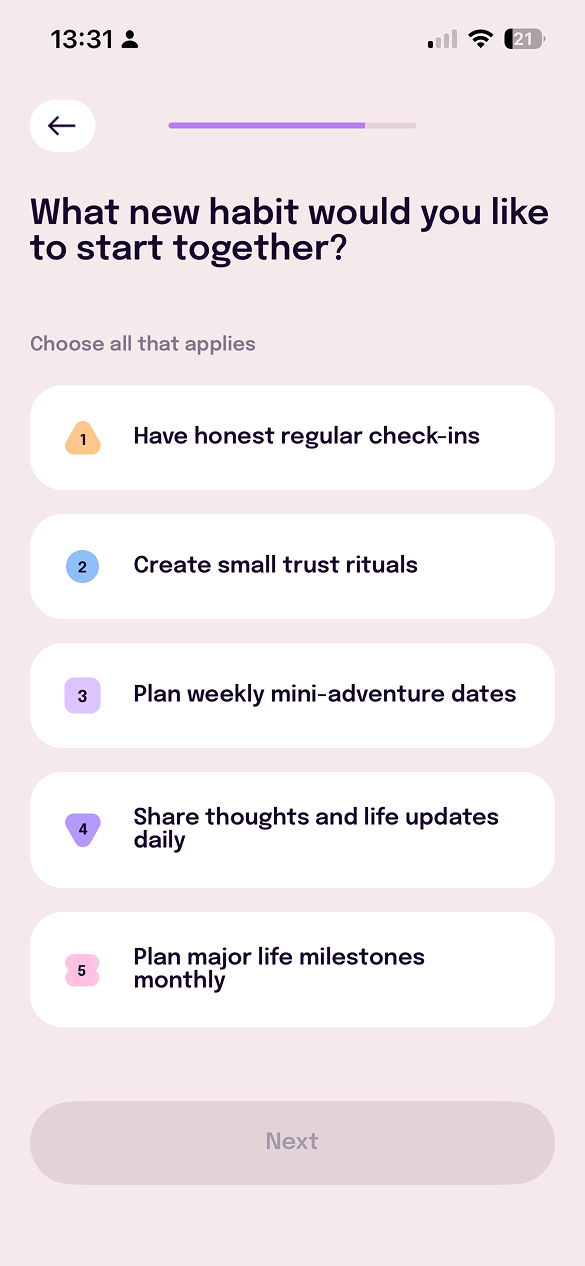
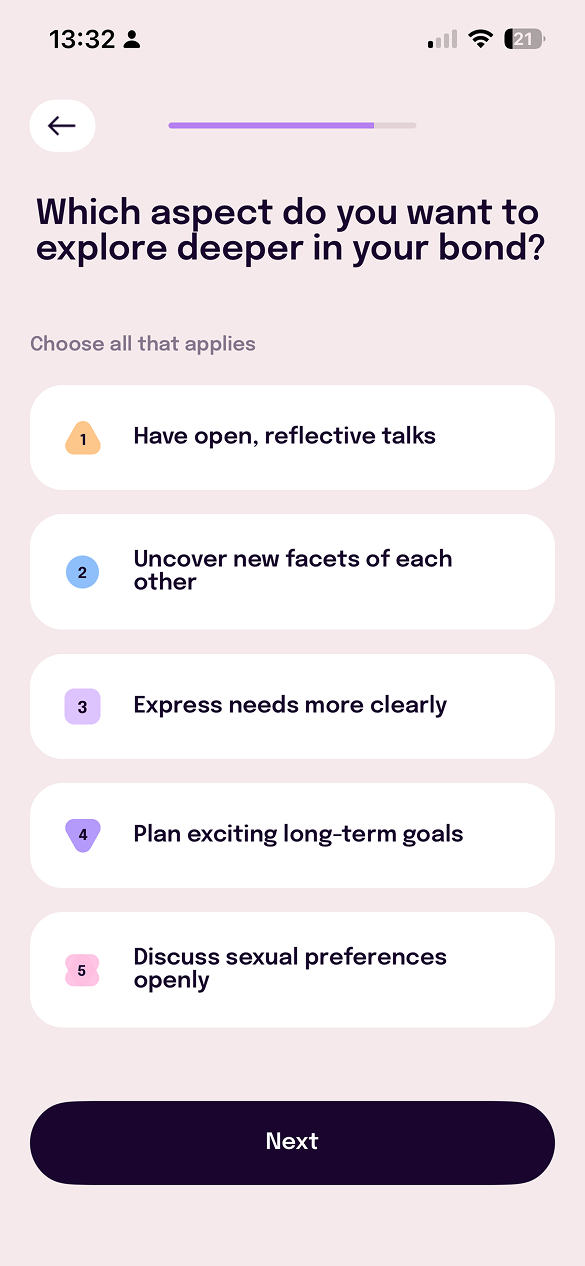
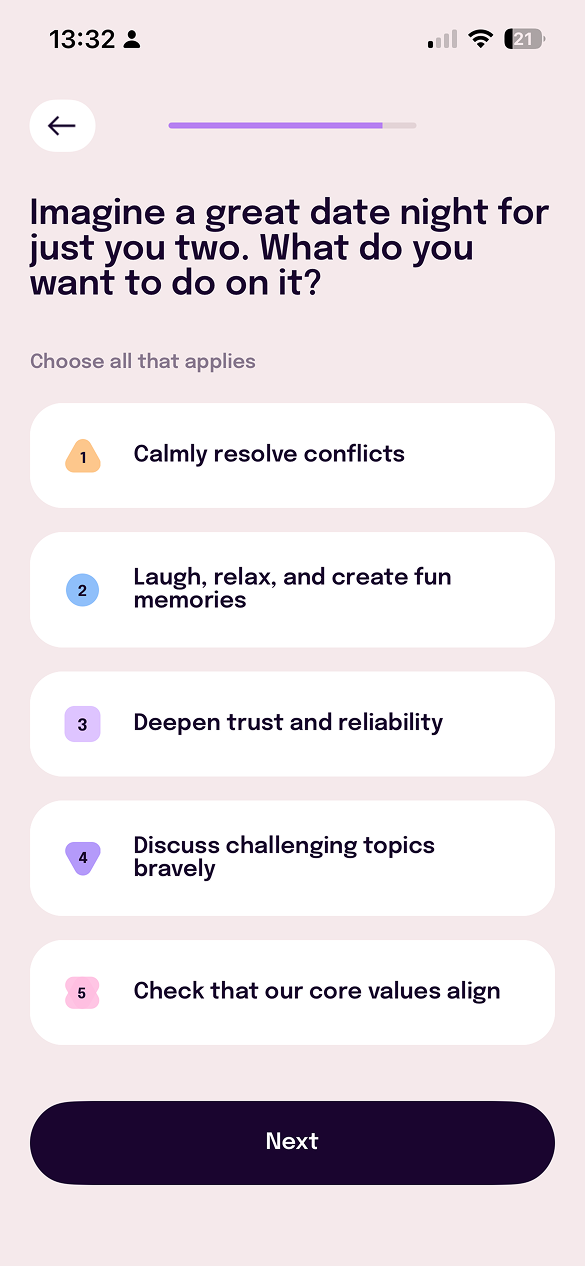
Like many apps in the relationship and wellbeing space, Everlove opened with a long onboarding flow. New users were taken through an extensive series of questions about themselves and their relationship before ever reaching the core product or the paywall. The logic was sound on paper: gather context, personalize the experience, build investment before the ask.
But the funnel told a different story. Too many users were dropping off before ever starting a trial. Everlove brought me in to run a full growth audit and turn the diagnosis into a prioritized experiment roadmap — and onboarding length quickly emerged as the prime suspect. Digging into the flow, I developed two hypotheses about why it was underperforming:
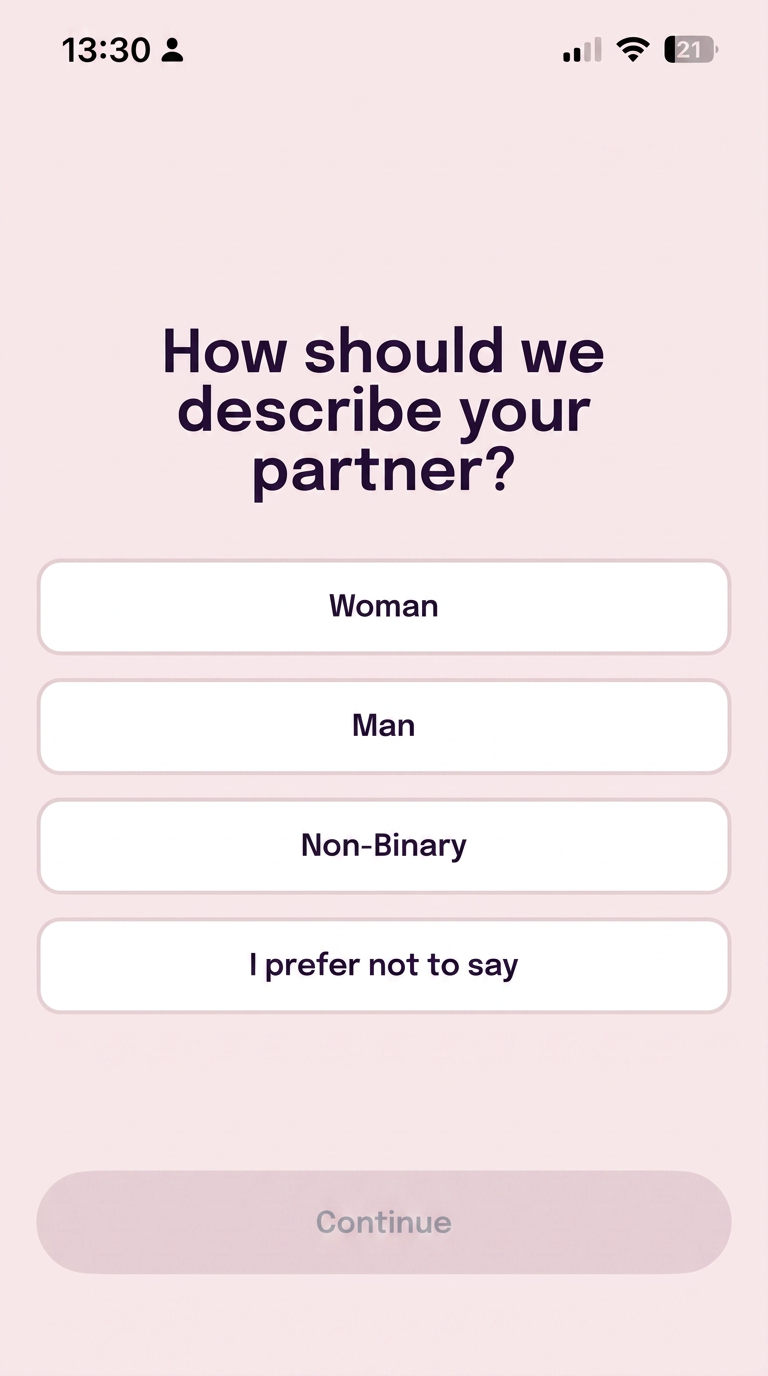
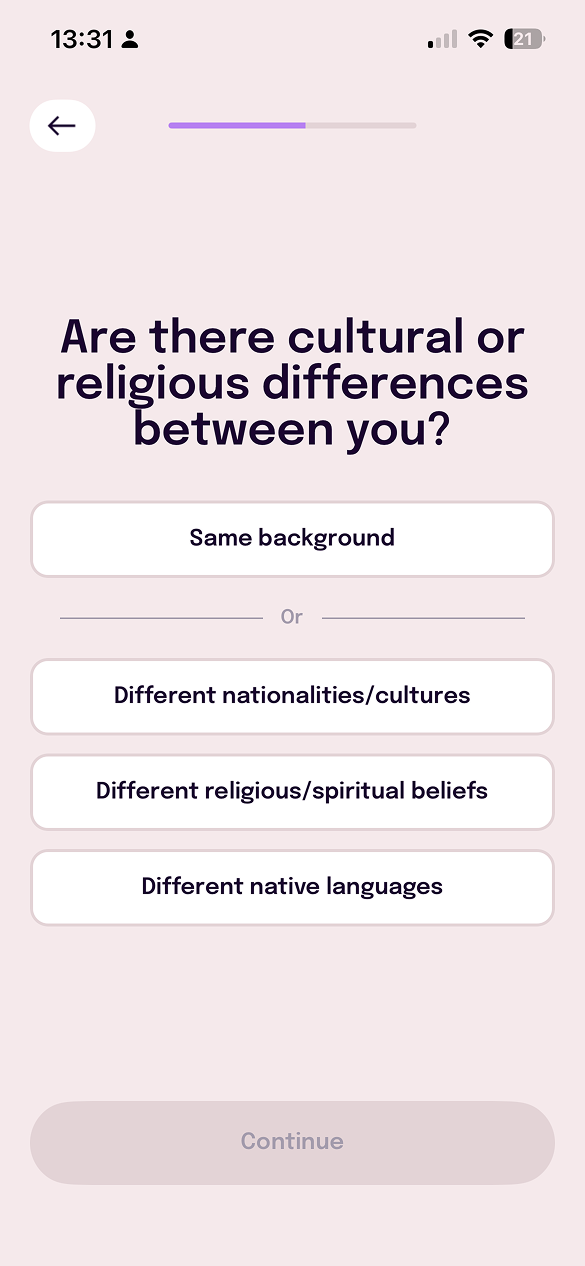
- It felt like a chore. Asking new users a long series of questions about problems in their relationship, before they had experienced any value, carried negative connotations and front-loaded friction at the most fragile moment in the funnel.
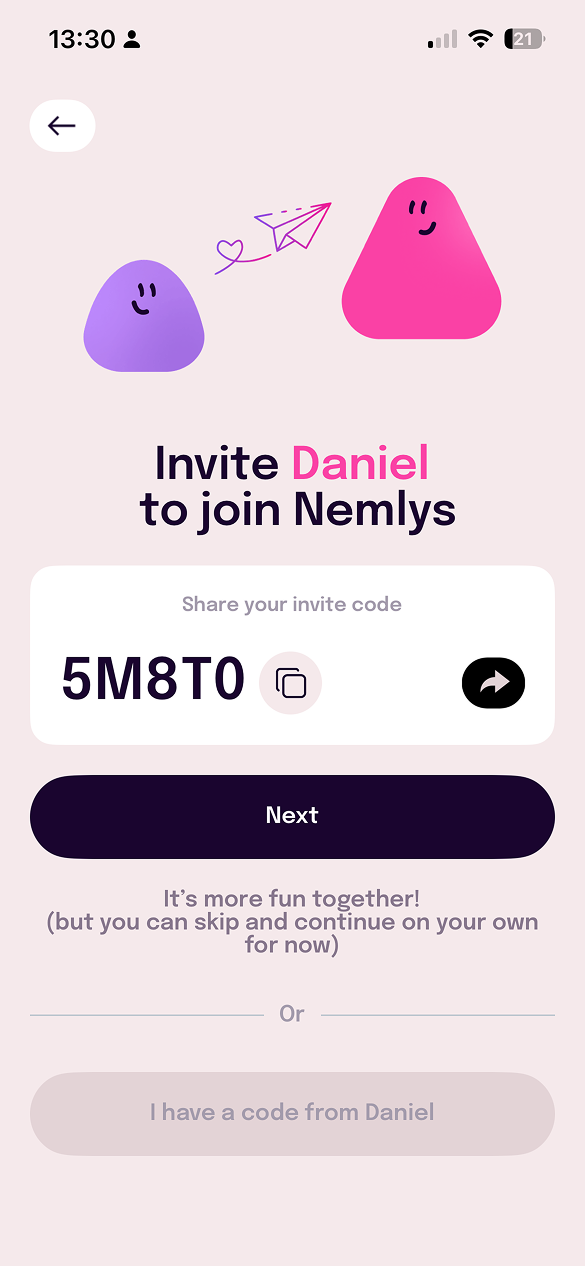
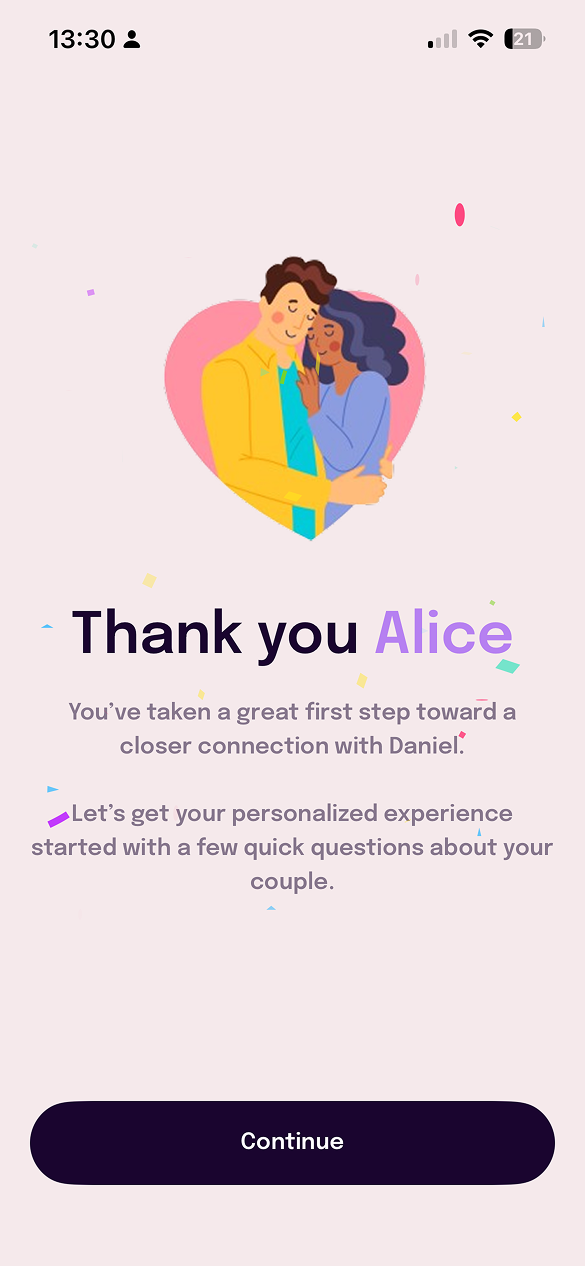
- It sent the wrong signal. An extensive "About You" section framed the experience around the individual, when the entire value of Everlove depends on both partners joining and playing together.
The goal was clear: get new users to the product's core value, and to a purchase decision, faster, without sacrificing conversion quality.
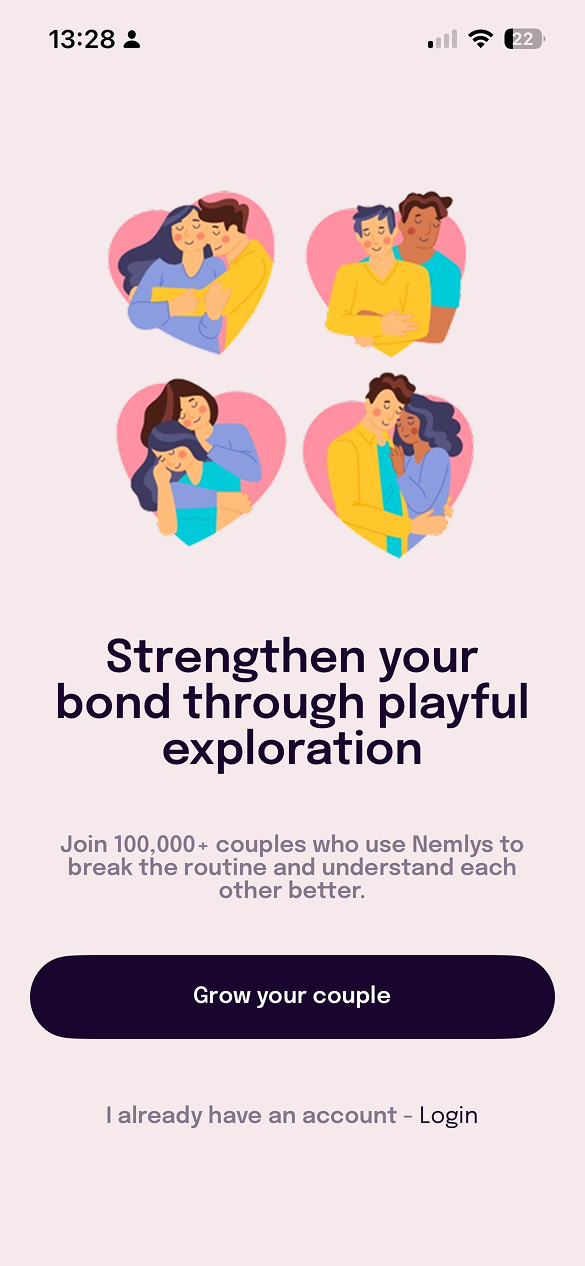
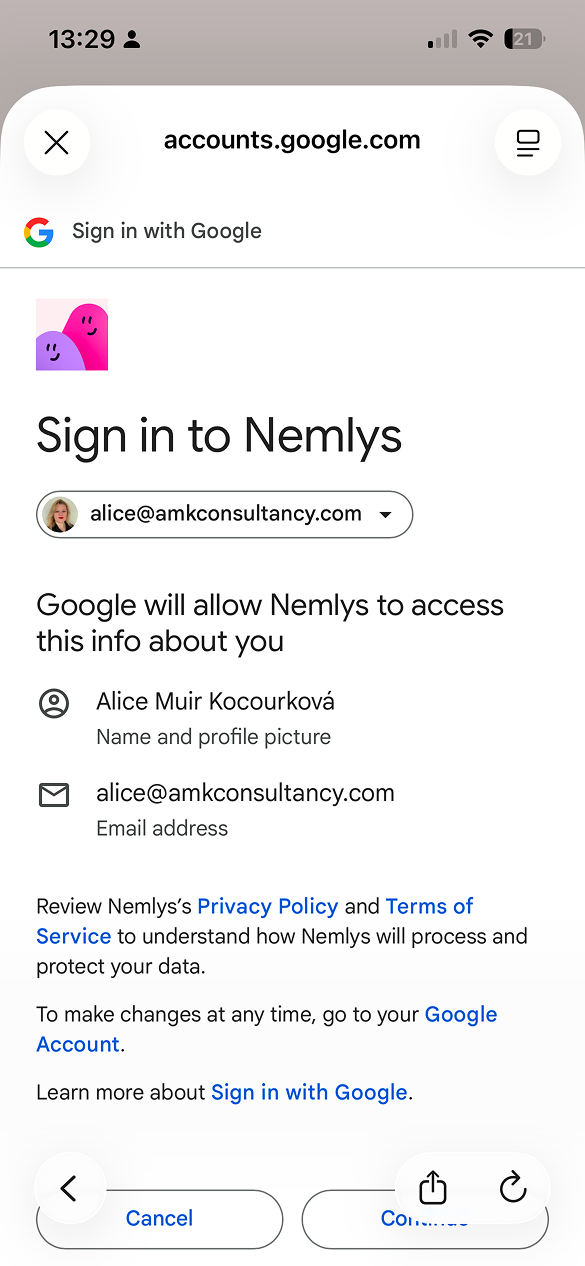
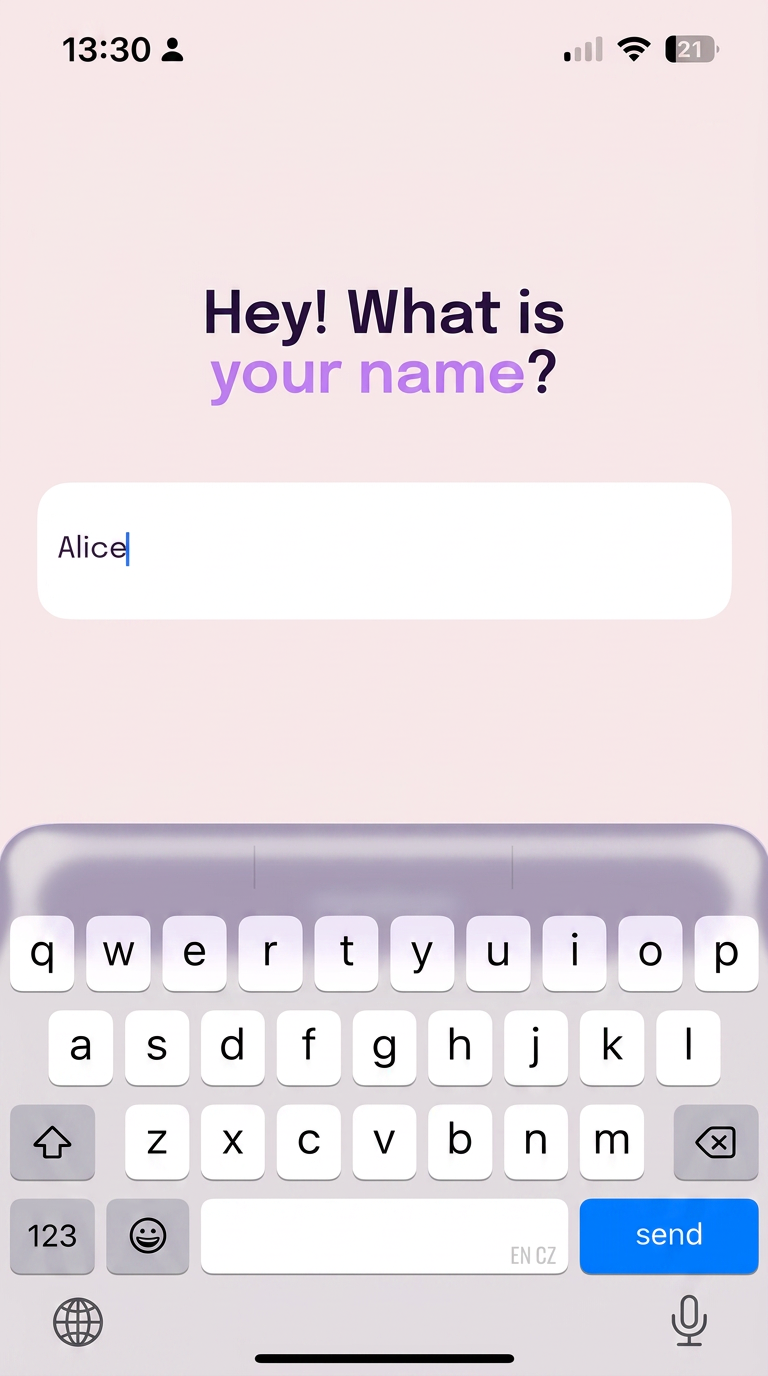
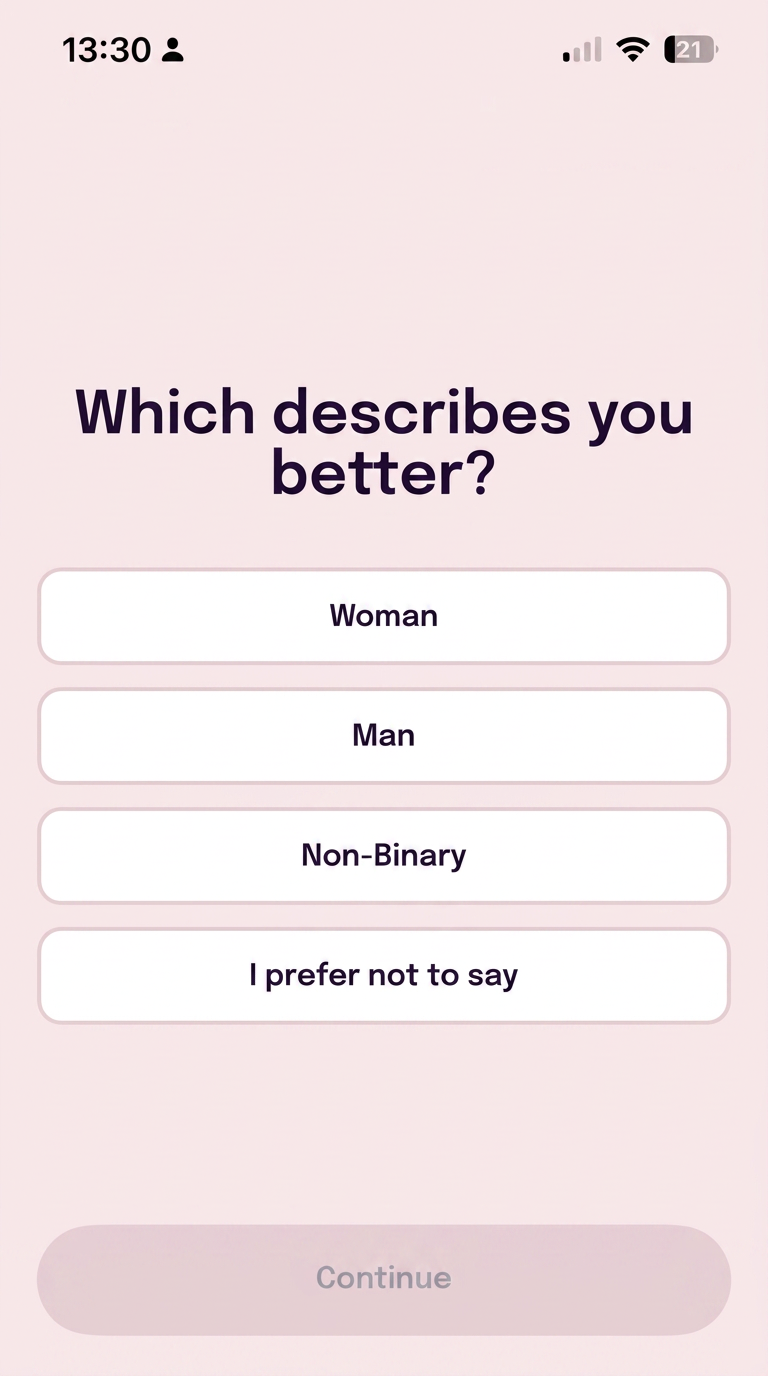


 Danger zone ↓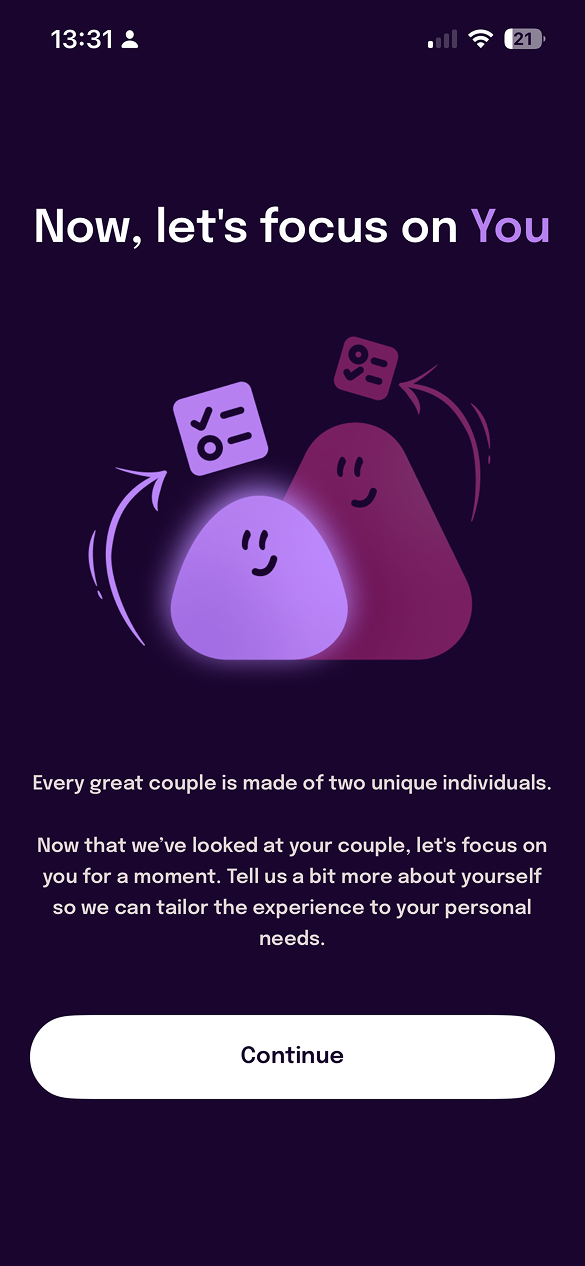

 ↑ End
↑ End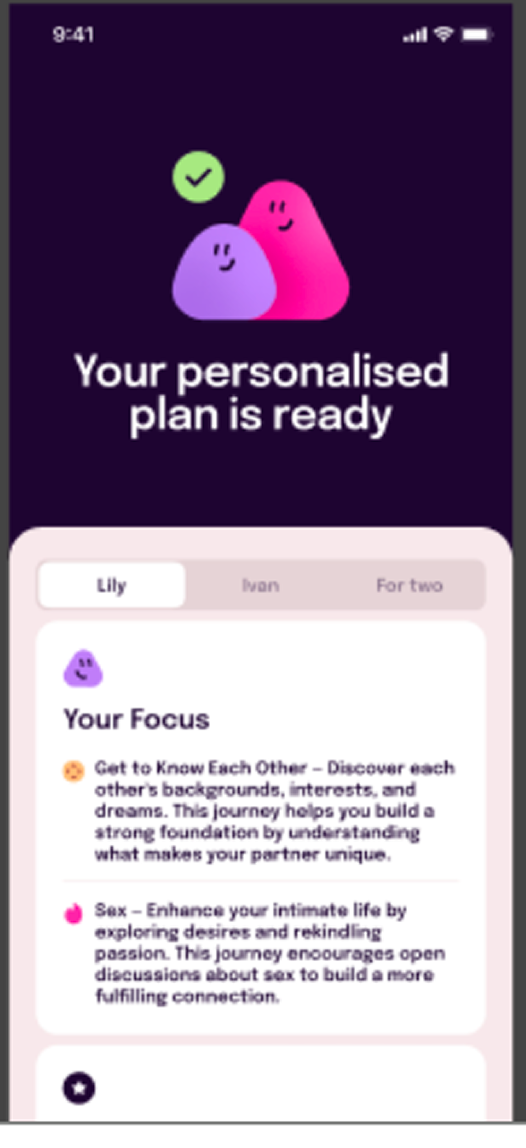
The Solution: A/B Testing a Shorter Mobile App Onboarding Flow
Planning: Diagnosing the Funnel
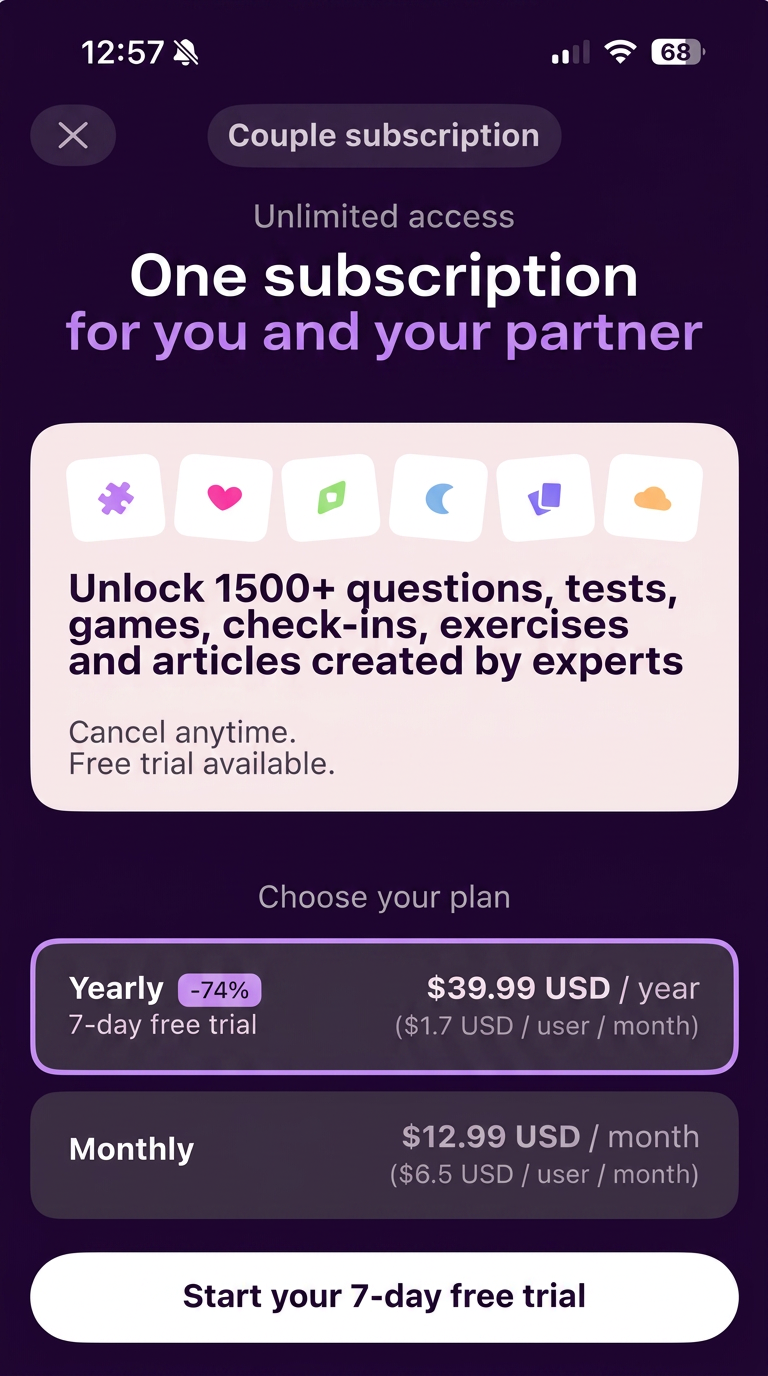
The onboarding experiment emerged from my full growth audit covering acquisition, activation, monetization, and retention. Across the funnel, one theme kept surfacing: partner activation is the holy grail for Everlove. Users who bring their partner in retain better, convert better, and perform better on every downstream metric. Anything standing between a new user and that moment of activation was a candidate for removal.
The long onboarding was the most obvious offender. So I designed a straightforward A/B test with the team: the existing long onboarding versus a dramatically shortened flow that stripped out the low-value questions and moved users to the core experience, and the paywall, much sooner.
Execution: Testing a Radically Shorter Flow
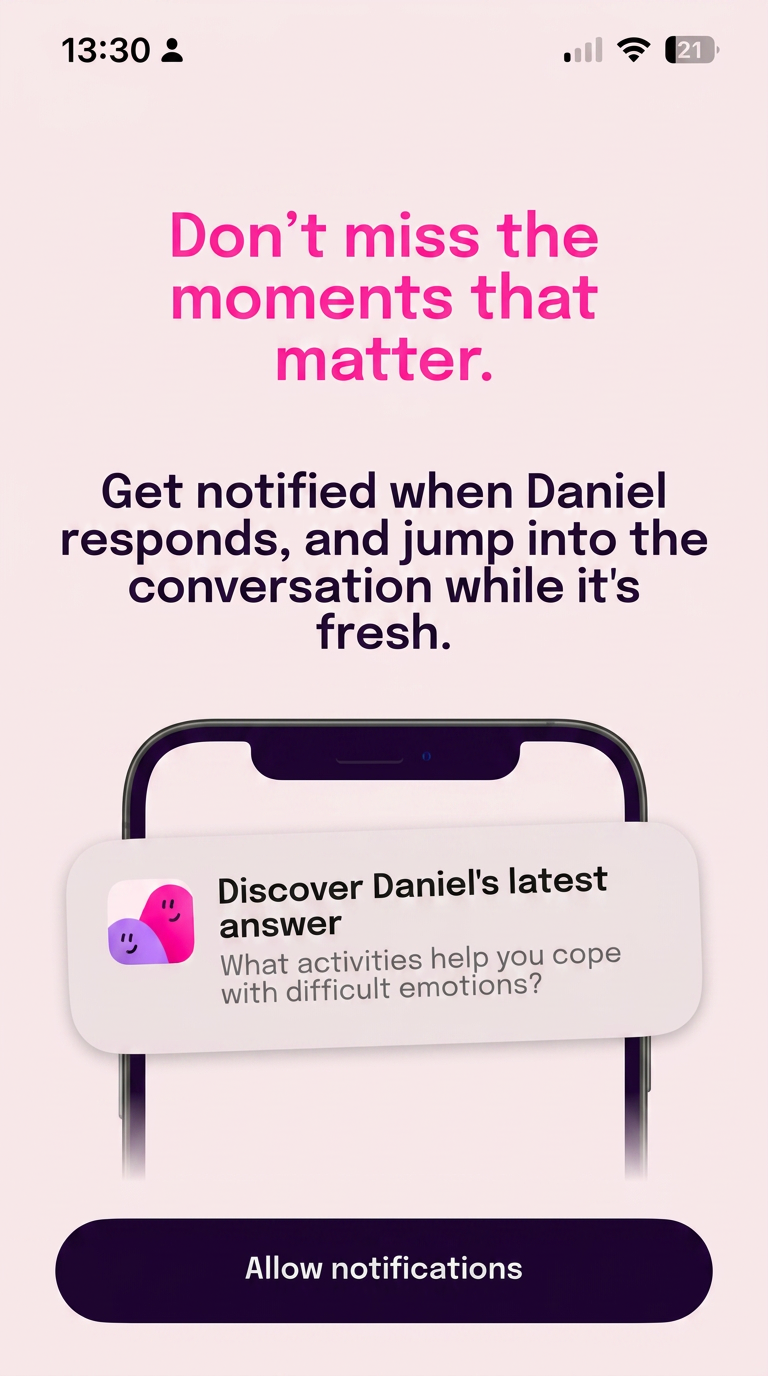
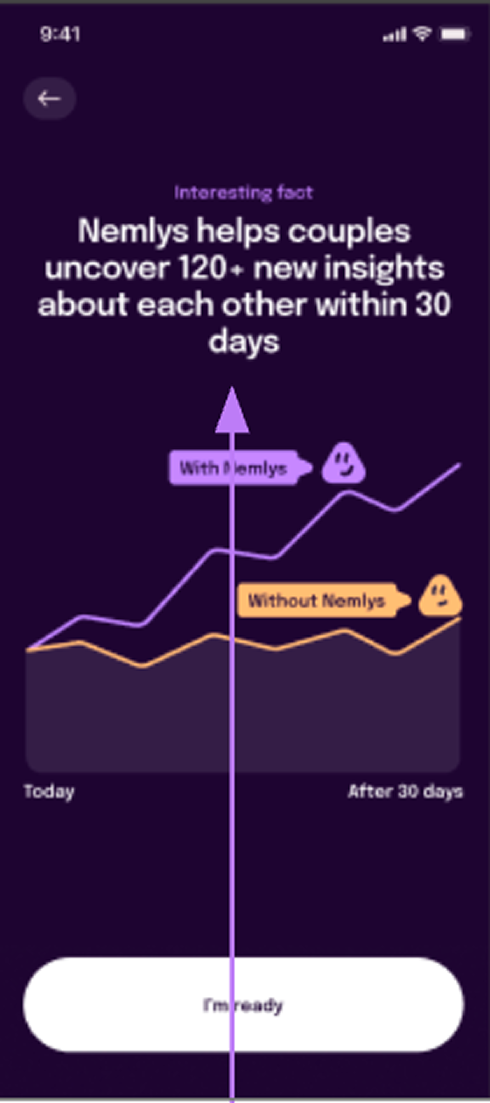
The shortened onboarding cut the flow down to the essentials, removing the extended relationship questionnaire that had been generating friction.
Measurement was set up in PostHog using a minimalist conversion funnel, tracking users from onboarding start through to trial start or direct purchase. Because Everlove has a genuinely global user base, the experiment was evaluated worldwide rather than on a single market: US-only volumes were too small to reach significance, but the worldwide dataset gave the test the statistical power it needed. Revenue and plan-mix data from RevenueCat completed the picture.
The Results: +50% Trial and Purchase Conversion, Statistically Significant
The impact showed up at both stages of the funnel.
First, more users made it through onboarding at all. Among first partners, the shorter flow delivered a +10% relative lift in onboarding completion — measured in PostHog over a four-week window, with the shorter variant showing a 100% probability of being the best performer. That's hundreds of additional users per month reaching the core product who would previously have abandoned mid-flow.
More importantly, those users went on to buy. The shorter onboarding converted users to an initial conversion (RC event) at a +50% higher rate than the long flow, and the result was statistically significant. Fewer questions, more conversions: the friction the team suspected was real, and removing it paid off immediately.
The experiment also surfaced an insight that pure conversion numbers would have hidden. The share of initial purchases on the monthly plan doubled, from 9.5% to 19.11%, meaning the shorter flow wasn't just converting more users — it was unlocking a segment of buyers who wanted to say yes quickly, without committing to a full year upfront. That's new revenue the old onboarding was leaving on the table. Crucially, the mix shift didn't come at annual's expense: with total conversions up ~50%, annual-plan purchases themselves still grew by roughly a third — the monthly buyers were additive, not substitutive.
Because I never take a headline metric at face value, the rollout came with a guardrail built in: tracking monthly cohort retention and 60-day LTV in RevenueCat, so the team can confirm the conversion uplift compounds into long-term revenue growth as the new subscribers mature.
Short onboarding lifted initial purchase conversion by approximately +50% relative to the long flow.
According to RevenueCat's "State of Subscription Apps" Report 2026, the median Day 35 download-to-paid for apps in the Social and Lifestyle category is roughly 1.5%, with the top quartile around 3–3.5%.
The Takeaway: Align Effort with Motivation
The experiment succeeded not because the onboarding was shorter, but because it delayed unnecessary effort until after users had understood the value proposition.
Asking someone to invest time before they've experienced any value creates psychological friction — and it hits at the most fragile moment in the funnel, when motivation is lowest and the cost of quitting is zero. By moving users to the product and the paywall sooner, the new onboarding aligned effort with motivation: users earn context about the app first, then invest in personalizing it.
That's the reusable lesson for any subscription app, whatever the category: don't count screens, count the value a user has experienced before each ask. If a question, permission prompt, or form field arrives before the user understands why it's worth answering, it belongs later in the journey — or nowhere.
Working with Alice challenged many of our initial assumptions. Instead of blindly following industry trends—like the idea that longer onboarding always converts better—she helped us focus on what actually made sense for our product and our users. Our regular discussions around experimentation and metric validity gave us confidence that we were moving in the right direction, not just chasing best practices. That mindset ultimately helped us achieve results that were both meaningful and measurable.
FAQ: Shortening App Onboarding
Does shortening onboarding reduce conversion quality?
Not in this case. The shorter flow increased trial and purchase conversion by 50% with statistical significance. It did shift the plan mix toward monthly subscriptions (from 9.5% to 19.11% of initial purchases), so we paired the rollout with monthly cohort retention and 60-day LTV tracking in RevenueCat to confirm the uplift compounds into long-term revenue.
How was the onboarding A/B test measured?
Using a conversion funnel in PostHog, tracking users from onboarding start to trial start or direct purchase, evaluated on the worldwide user base to reach statistical significance, with revenue and plan-mix data from RevenueCat.
When should an app shorten its onboarding?
When onboarding collects information before delivering value — especially question-heavy flows on sensitive topics — it front-loads friction at the most fragile moment in the funnel. If funnel data shows heavy drop-off between install and trial, testing a shorter flow that gets users to core value faster is usually one of the highest-leverage experiments available.
Want results like this for your app?
I run full growth audits and design experiments that move the metrics that matter.